Val Wilson Digital Art
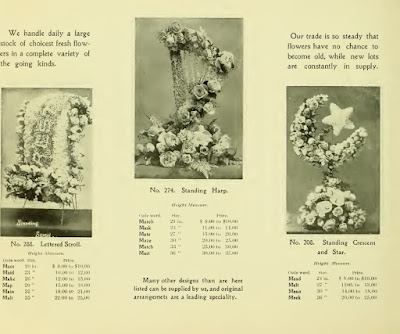
In the 1800s, the language of flowers, also
known as "floriography," held profound significance, and this
symbolism extended to funeral flowers as well. These floral arrangements were
not just displays of condolence, but rather, carefully chosen collections that
expressed certain emotions, sentiments, or messages about the deceased. White
lilies, known to symbolize the restored innocence of the soul of the deceased,
were commonly used. Red roses signified respect, love, and courage, while pink
roses indicated grace, happiness, and gentleness. Calla lilies, symbolizing
beauty and marriage, were often used in the funerals of younger people,
suggesting the tragic cut-off of a life in its prime.
Funeral flowers during this era were also chosen based on the
relationship with the deceased. For instance, chrysanthemums were associated
with death and were often used in funerals and graves in many European
countries. Forget-me-nots, symbolizing true love and memories, were presented
by someone who had a close, personal relationship with the deceased. In
contrast, the amaranth flower, symbolizing immortality, was used to express the
belief that the deceased's spirit would live on. these
carefully curated funeral flower arrangements provided a unique, though silent,
form of communication, conveying deep messages of loss, remembrance, and
enduring connection.
check out the PCA website at azhistcemeteries.org
.JPG)